
Key Facts About Casino Privacy Policies

Joining an online casino involves handing over more than a deposit. You submit your full name, address, government ID numbers, financial details, and sometimes a biometric selfie. A privacy policy is the binding document that sets the rules for how all that sensitive information is gathered, stored, shared, and protected. For Canadian players, the policy lies at the intersection of federal PIPEDA and provincial statutes like British Columbia’s PIPA. Most of us overlook these dense texts, but reading them is the best way to see whether a platform respects its users or scarcely accepts them. The policy indicates how serious the operation is by revealing data hygiene, third-party dependencies, and its willingness to hand over records when law enforcement arrives. Without it, you are giving control of your digital identity to an unregulated stranger.
Why Every Casino Privacy Policy Is Established
A privacy policy is not voluntary marketing. It is a legally mandated disclosure, integrated into every licensing jurisdiction. When you see a policy on a site like Beep Beep Casino, you are viewing a document that must fulfill the Kahnawake Gaming Commission, the Malta Gaming Authority, and the AGCO all at once. Its core job is to bridge the information gap between what the casino knows and what you know it is doing. Casinos gather data indirectly through cookies, actively through registration forms, and via technical means through device fingerprinting scripts that record your hardware configuration. Without that disclosure, you would never imagine that mouse movements and session lengths are recorded alongside your wagering history. The document also acts as the operator’s first line of defence during a regulatory audit. A missing or vague policy is itself a compliance violation, and that can lead to fines and license reviews. Canadian law demands meaningful consent. The privacy policy is the tool that supplies the specifics needed to make that consent valid. It must specify whether processing relies on contractual necessity, legitimate interest, or explicit opt‑in consent, and it must set a clear line between identity checks and marketing profiling.
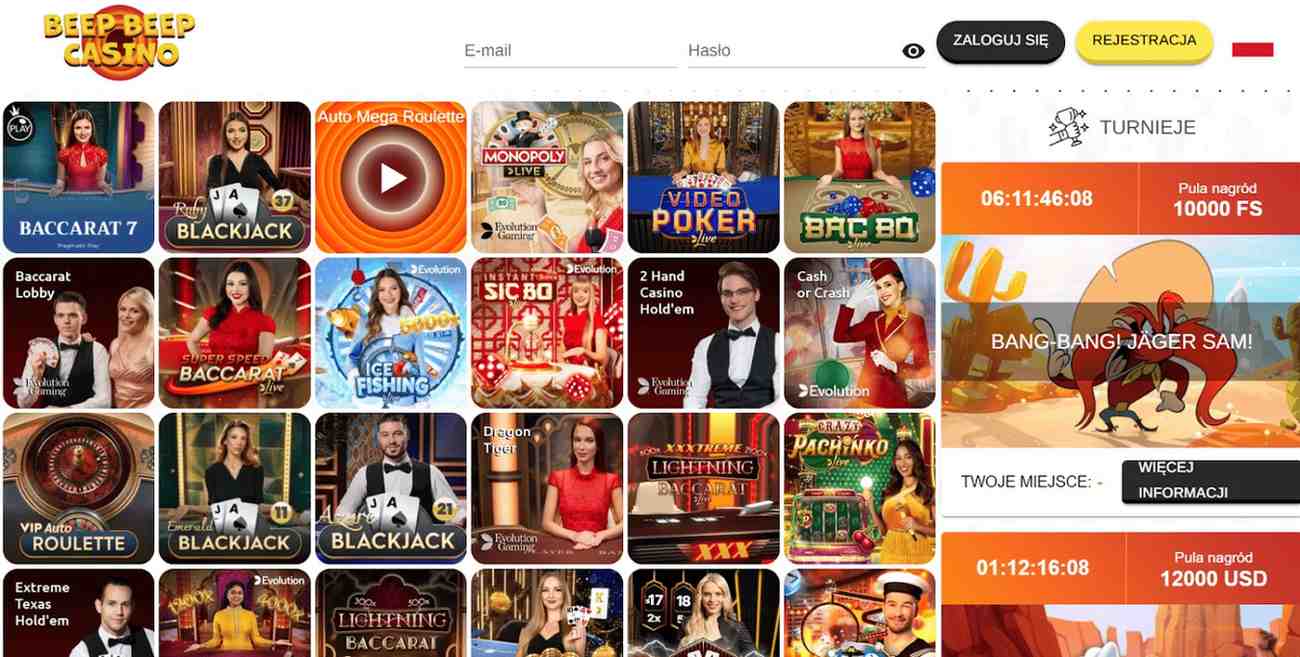
Cookies, Trackers, and the Unseen Data Collection
Before you even press “register,” your browser is already stuffed with cookies. First‑party cookies maintain your session alive and store your language choice; block them and the site fails. Third‑party cookies, though, come from ad networks and analytics services that stitch together a profile pursuing you across the web. The privacy policy should identify the specific services—Google Analytics, Meta Pixel—and link to their opt‑out pages. A vague line about “third‑party cookies for advertising” does not offer you real control. Beyond cookies, modern casinos execute device fingerprinting scripts that collect hundreds of data points—browser configuration, installed fonts, audio processing fingerprints—to produce a persistent identifier that remains even after you clear your cookies. Session recording tools record every mouse movement and click, creating replayable videos of your visit. The policy has to state these technologies outright and describe the legal basis for using them. Also check whether the consent banner lets you switch different tracker categories on or off. A simple “accept all” button with no granular settings does not satisfy the standard for meaningful consent under Canadian law.
Information Gathering Categories You Should Recognize
A privacy policy categorizes collected data into categories that reveal the platform’s desire for information. Identity data—full name, date of birth, government ID numbers—is mandatory. Anti‑money laundering rules mandate the casino to verify your true identity before any withdrawal. Contact data includes your email, phone number, and address. It is utilized for account recovery but also for promotional outreach save when you explicitly opt out. Financial data comprises deposit methods, partial card numbers, e‑wallet identifiers, and transaction histories. Verify whether the policy says that full payment card numbers are tokenized instead of stored. Tokenization swaps sensitive digits for a meaningless reference string and is the industry standard. Behavioural and technical data extends from your IP address and device type to your browser fingerprint and, in some setups, even your battery level. This supplies risk‑scoring algorithms that can limit bet sizes or delay withdrawals without a human ever looking. Special categories like biometric data from selfies need extra protection because you cannot change your face if it gets compromised. Watch for explicit encryption standards and clear retention periods for biometric templates, not soft promises.
Retention Schedules and the Right to Erasure

How long a casino holds onto your data is a compliance litmus test. In Canada, operators need to hang on to transaction records and identity verification documents for at least five years after the business relationship ends. This is not optional. A policy that claims to delete everything the moment you close your account is either inaccurate or is part of an unlicensed operation. Still, the legal minimum does not give the casino a blanket pass to warehouse everything forever. The policy should distinguish records kept for AML compliance from data kept for marketing or analytics, with briefer, clearly defined timeframes for behavioural profiles. The right to erasure lets you to ask the casino to delete data that is no longer needed for its original purpose. Canadian privacy law supports this, but the right is not absolute. A well‑written policy will tell you how to submit a request, how quickly you will hear back, and the specific situations where the operator can refuse—an active balance or an unresolved dispute, for example. Look for phrases like “data lifecycle management” or “automated archival and deletion.” Those words mean the operator built backend systems that remove data automatically when the retention clock runs out, rather than using someone’s to‑do list.
The way Third-Party Sharing Affects Our Information
No casino operates in a vacuum. The privacy policy needs to list every category of third party that receives your data. Payment processors like Interac and MuchBetter manage transaction records, which is expected. The discomfort arises from analytics vendors, CRM platforms, and affiliate tracking networks. Tap a review link from a Canadian comparison site and a chain of redirects places tracking cookies from multiple domains. The policy should explain whether the operator transmits your player ID and wagering activity with affiliate partners so they can calculate commissions. Some share only aggregated data; others transfer individual player‑level detail, right down to lifetime value calculations. Cloud hosting providers and cybersecurity firms also absorb your data through automated log streaming. The policy should name the jurisdiction where those servers are located. If data ends up in a country without a Canadian adequacy decision, the operator has to put standard contractual clauses in place. You also should check whether the policy lets the operator trade or rent your data to unaffiliated marketing companies. If the word “sell” shows up without a clear opt‑out, the platform is profiting from its user base beyond gaming revenue.
Protective Measures and Incident Reporting Procedures
The security section needs hard details, not ambiguous assurances https://beepsbeep.ca/legal-and-affiliates. Data in transit must employ TLS with 256‑bit encryption. Data at rest requires AES‑256 with keys stored in a hardware security module. Network segmentation that segregates database servers from the public‑facing web layer halts a front‑end breach from engulfing the entire player database. Look for proof of annual independent penetration tests, with a commitment to address findings inside a defined SLA. Role‑based access controls and mandatory multi‑factor authentication for anyone touching production data are non‑negotiable. Breach notification is the ultimate test of integrity. Under the Digital Privacy Act, any breach that poses a real risk of significant harm must be reported to the Privacy Commissioner and to the people affected. The policy should match that standard, defining what counts as a reportable breach and giving a concrete notification timeframe. A mature operator will detail that notifications include a description of what happened, the categories of data exposed, the steps taken to contain the breach, and what you should do to protect yourself. If the policy retains the right to decide on its own that no notification is needed, you are betting blind on a party with a conflict of interest.
Affiliate Data Processing and Cross-Border Transfers
Affiliate programs establish a web of data sharing between the casino, its affiliates, and tracking middlemen. Click an affiliate link and register, and a unique tag accompanies your entire player lifecycle. The privacy policy must describe exactly what the operator sends back to the affiliate. At a minimum, affiliates get confirmation of a registration and a deposit. But some programs share detailed metrics—games played, average bet size, even net revenue—turning the affiliate into someone with deep visibility into your gambling behaviour. Review whether the policy requires affiliates to maintain their own privacy policies and whether the operator actually audits their data practices. Cross-border data transfers are baked in because operators, payment processors, and cloud infrastructure span continents. The policy should map these flows with enough precision that you can tell which jurisdictions touch your data. If a casino stores its data on AWS in Virginia, the US CLOUD Act lets federal agents compel disclosure no matter where you live. Search for adequacy decisions, standard contractual clauses, or binding corporate rules as the legal bridges that make these transfers legitimate. An operator carrying ISO 27701 certification shows it has put real effort into privacy management, beyond the bare legal minimum.
Popular Questions
What should I examine first in a casino privacy policy?
Kick off with the third‑party sharing section. Search for any mention of offering or renting your data to unaffiliated marketing companies—if the word “sell” appears without a clear opt‑out, that is a red flag. Then, scan the security section for clear encryption standards and a breach notification promise that matches the law. After that, confirm the policy names the countries where your data gets processed and spells out the legal safeguards for cross‑border transfers. A document missing these pieces gives you very little to stand on.
Is it possible to request that the casino delete all my data?
You can file a right to erasure request, but the casino can lawfully keep whatever AML rules demand—typically identity and transaction records for five years after you close your account. The policy should spell out how to submit a request, how long the response will take, and the situations where the operator can refuse, such as an active balance or a lingering dispute. Check for wording about automated deletion processes that scrub non‑essential data once the clock runs out, rather than depending on reddit.com a human to do it.
How can I tell if my data is shared with affiliates?
The policy has to specify what the operator provides to affiliates. At a minimum, affiliates receive a registration and deposit confirmation, but some programs provide detailed player metrics—games played, net revenue. Verify whether the policy requires that affiliates have their own privacy policies and whether the operator checks their data handling. If the policy lets affiliates email you directly with no obvious opt‑out, the consent chain is most likely broken.

leave your comment